Brickyard is a game platform where the players make the games. Players browse a home screen of experiences, join friends who are already playing and race them through an obby while they chat. Creators build those experiences in a 3D studio inside the same app, on a phone, a tablet or a desktop, then publish them and earn from them. An AI agent can build one too, through the app’s built-in MCP server.
The experiences are Luau scripts in a 3D world of parts, and the platform is compatible with Luau and Roblox place files, so a creator can bring an .rbxlx or .rbxl export and play it. Under it is everything such a platform needs: a scripting VM that cannot freeze the device, 3D rendering and physics, an authoritative multiplayer server, an economy with a subscription, social features, moderation and analytics. In Brickyard all of it is ordinary Codename One code in one project, and every line is original: the interpreter, the engine API, the renderer and the templates.
Read the guide · Browse the source
The application source is licensed under MIT-0: you can modify it, use it commercially and keep your changes private without royalties.
What comes with the application?
| Part | Included workflows |
|---|---|
| Luau runtime | A pure-Java Luau interpreter with the full syntax, coroutines and the standard libraries, where every script runs under an instruction budget so a runaway loop is a reported error |
| Engine API | The instance tree, signals, services, GUI, tweens, pathfinding, data stores, the marketplace, badges, rigid-body physics and humanoid characters, plus a reader and writer for .rbxlx and .rbxl place files with a compatibility report |
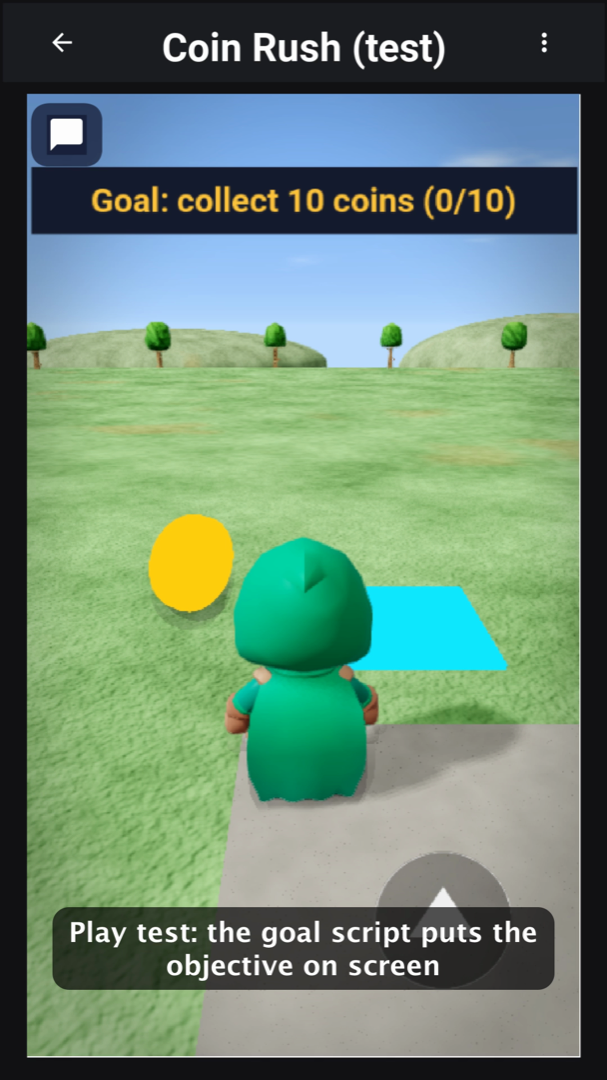
| Play | 3D experiences drawn on the GPU, played with touch, keyboard or gamepad, with chat bubbles over each player |
| Multiplayer | An authoritative server that keeps server scripts to itself, replicates snapshots, property deltas and remote calls, and checks every move against the character’s speed |
| Game types | Templates for an obby, survival, a roleplay town, a tycoon, a simulator, racing and a fighting arena |
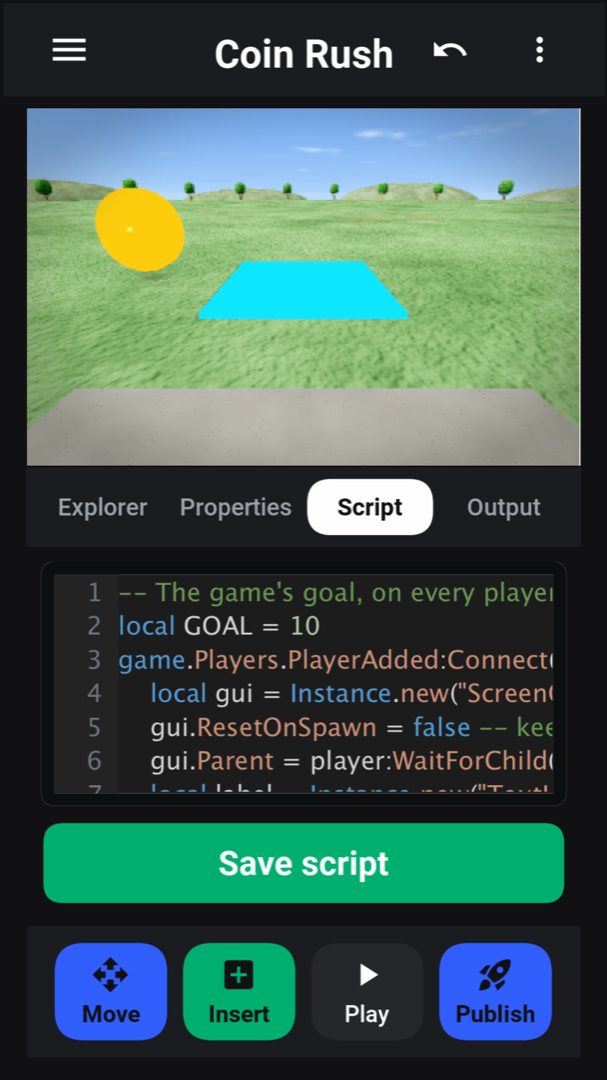
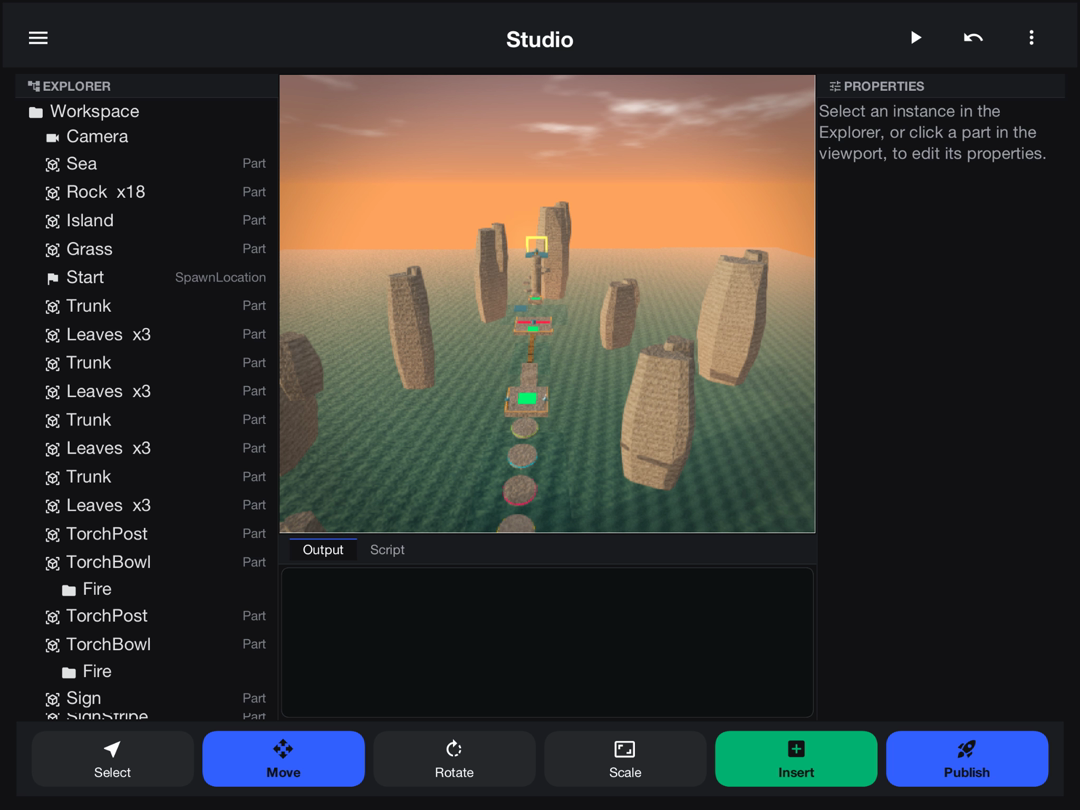
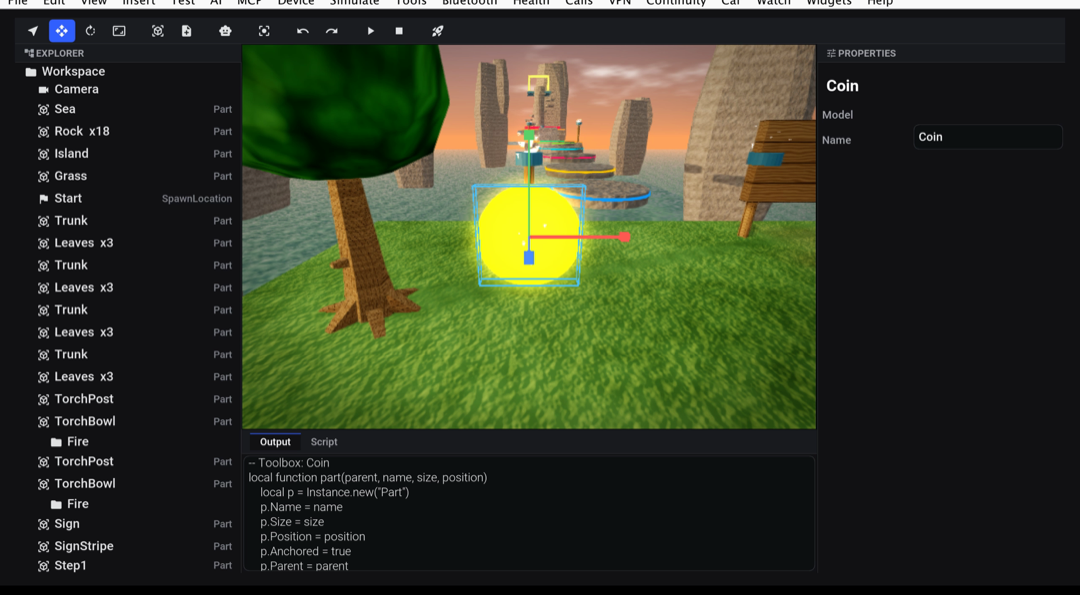
| Studio | Explorer, properties, a Luau editor with syntax checks and completion, templates, inserted models, scripts and effects, lighting presets, undo, play test, .rbxlx export and publishing, laid out for phone, tablet and desktop |
| Agentic creation | The studio’s tools on the app’s MCP server, so an AI agent can build, play test and publish an experience |
| Engagement | Levels, daily streaks, a season pass with free and Plus tracks, daily and weekly quests, an avatar shop priced in Bricks, the Brickyard Plus subscription and leaderboards fed by the server |
| Social | Friends, live “playing” counts, joining a friend’s server, invites that pay both sides and chat filtered by the reader’s age |
| Creators | A dashboard with visits, retention, revenue and grouped errors, version rollback, game passes, products and payouts |
| Administration | Reports, sanctions and appeals, fraud flags, payout approval, home-row curation and an audit log of every staff action |
What does it look like?
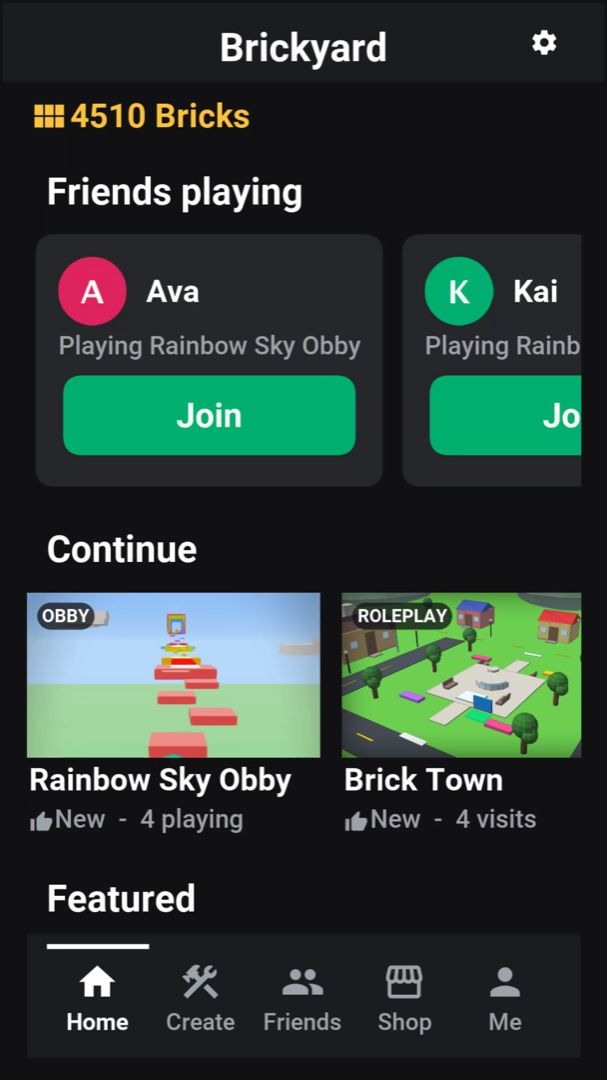
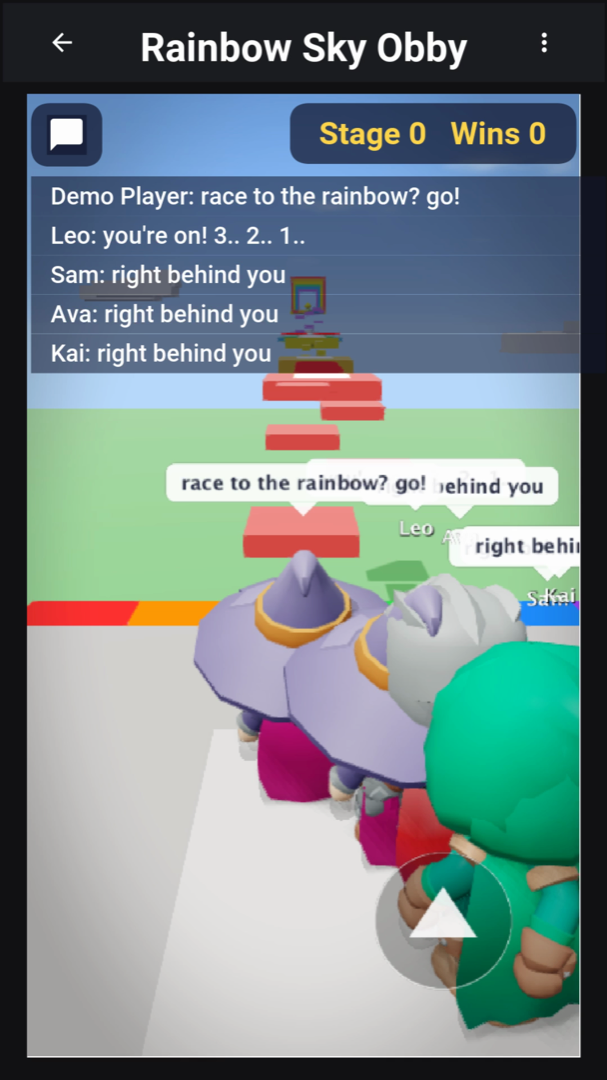
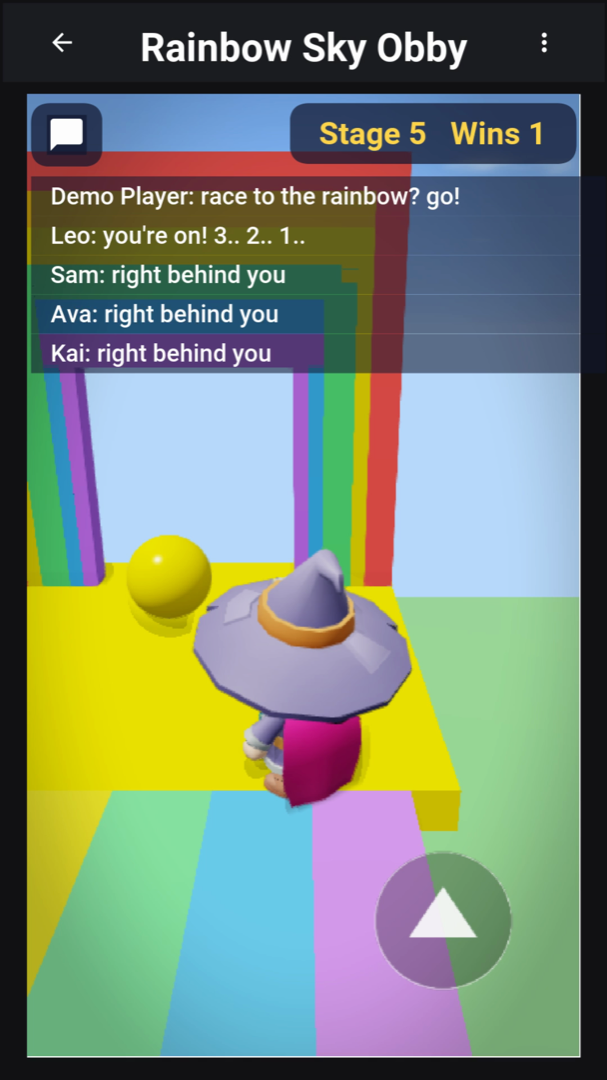
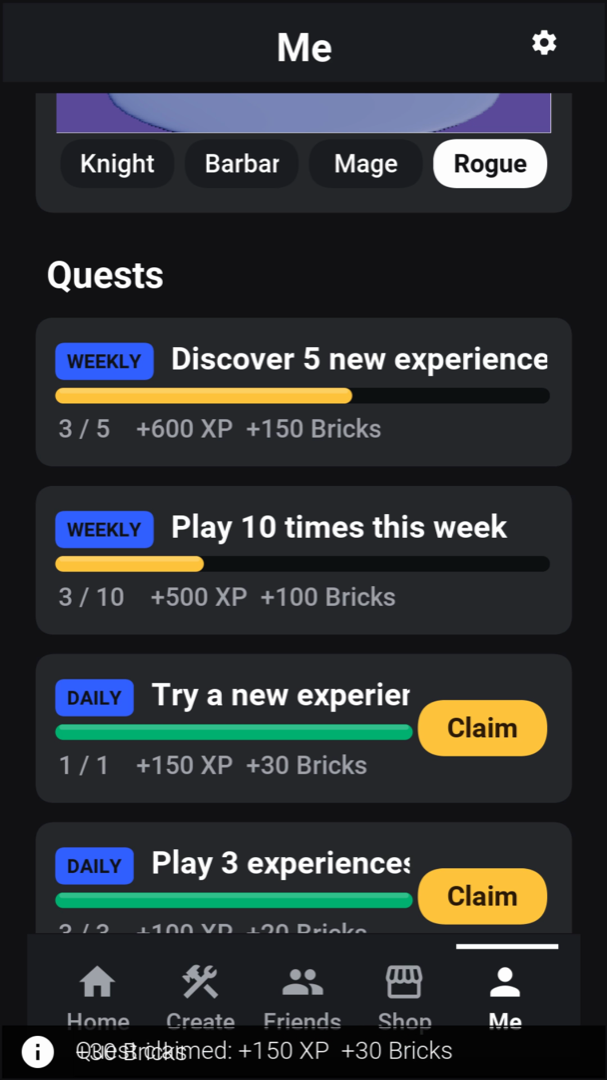
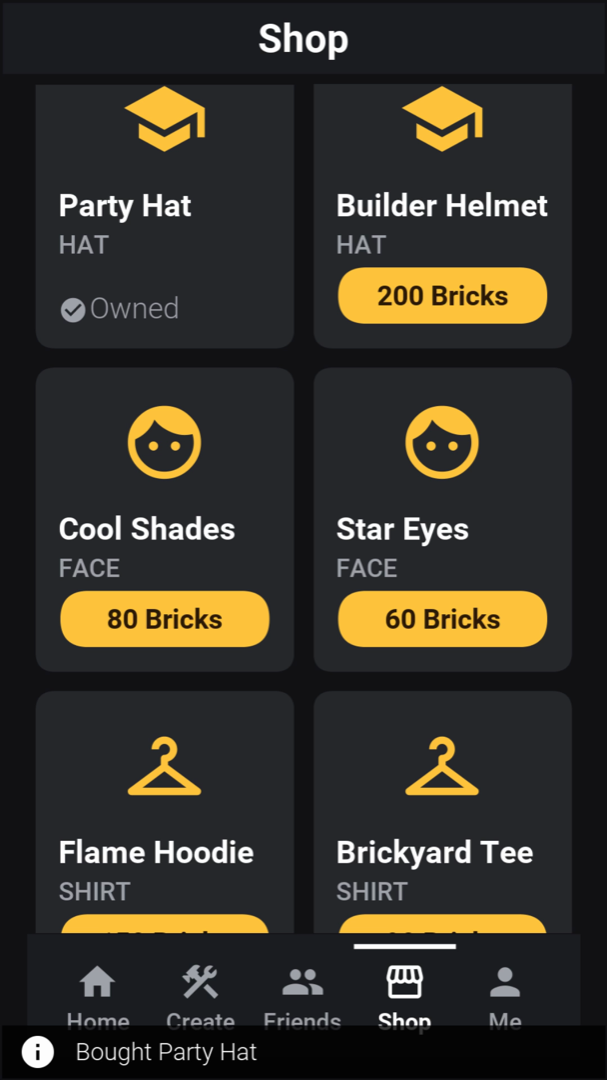
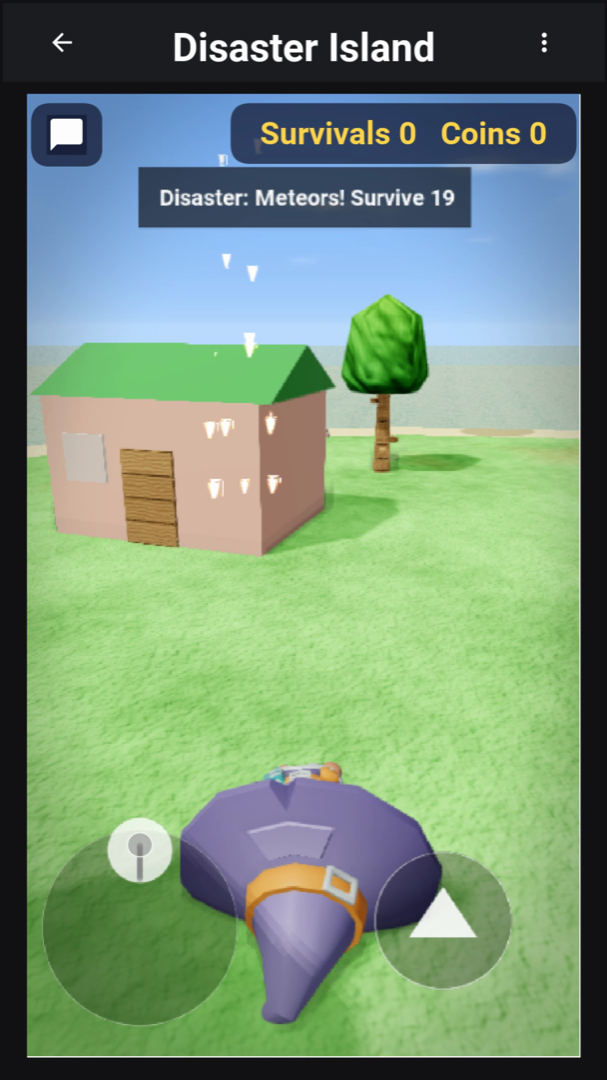
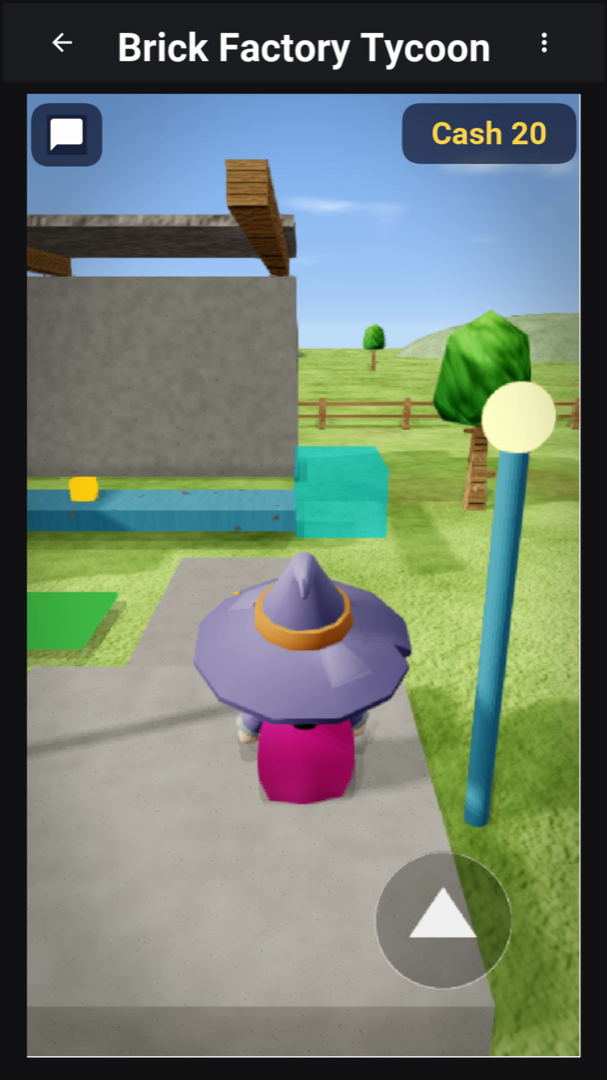
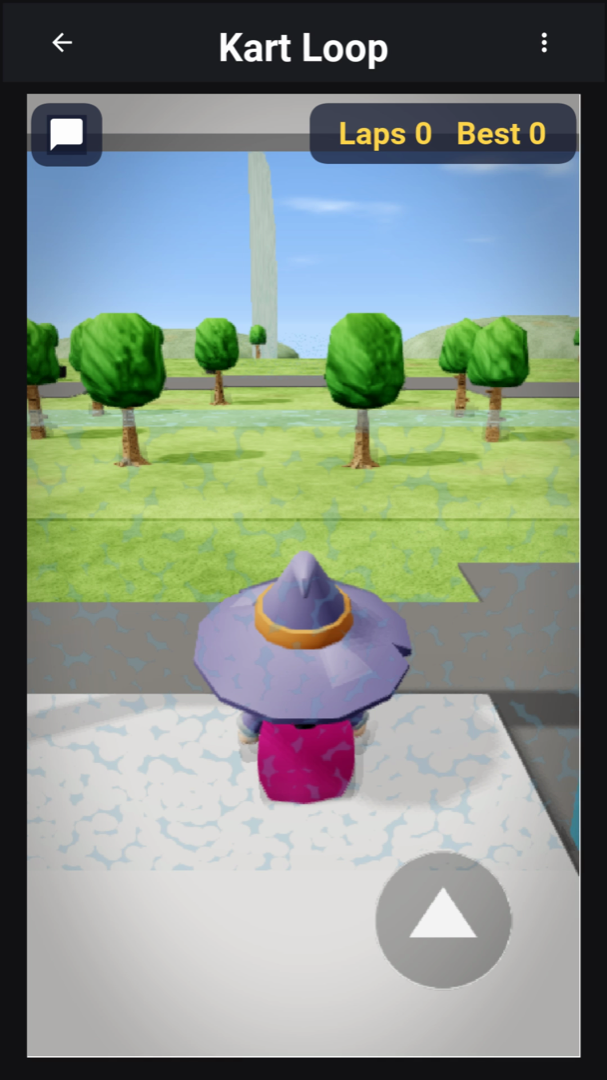
From first run to customization
- Run the project. Install the engine modules, then test the server and compile the app.
- Tour the platform. The guide opens with playing, friends, engagement, the game types and the studio on every form factor.
- Make it your own. The same guide then covers the modules, the Luau runtime, place files, replication, the server, templates, the economy and the theme.
What does a live platform still need?
Brickyard supplies the platform and its source. Running one also requires your own hosting, a database, store products with a configured receipt validator, ad units, a push key and hosting for the assets place files reference.
Looking for another kind of game?
Dash is the endless runner, Skirmish the real-time card battler and Splat the team paintball shooter.